
How Long Does a Stone Project Take
FROM START TO FINISH?
One of the most common questions homeowners ask during a renovation is, “How long is this actually going to take?” And honestly, it’s a fair question.
Stone projects involve a lot more than just choosing a slab and scheduling an installation day. There are several moving parts behind the scenes, and understanding the process upfront can make the entire experience feel much smoother.
The good news is that most projects move faster than people expect once everything is ready to go. Let’s walk through what the timeline really looks like and what factors can affect it along the way.
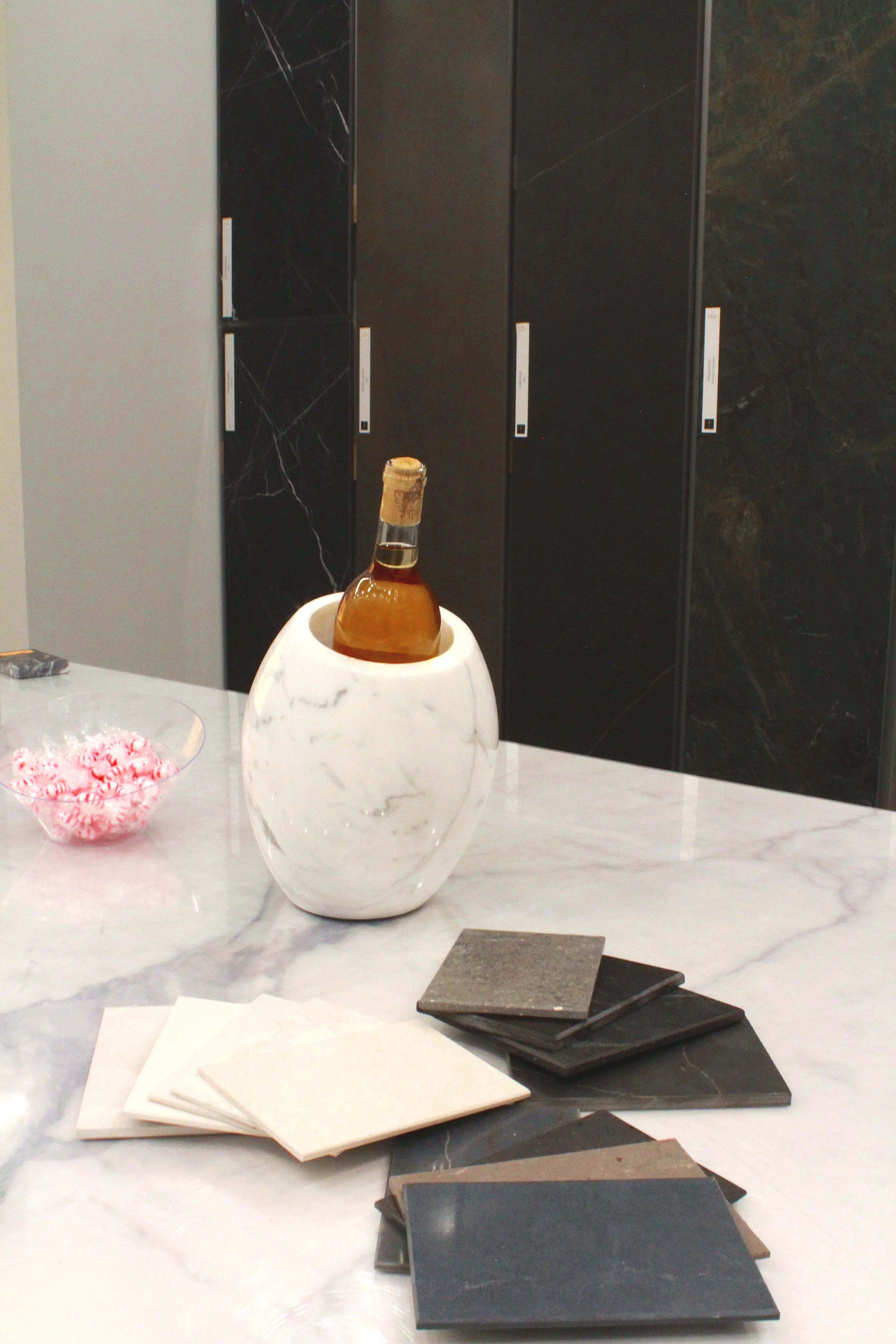
IT STARTS WITH MATERIAL SELECTION
The timeline really begins once you start choosing your material.
For some homeowners, this happens quickly. Others take time exploring different options, comparing slabs, and thinking through the overall design. This part of the process should not feel rushed. Countertops are a major visual element in the space, and seeing materials in person often makes a huge difference.
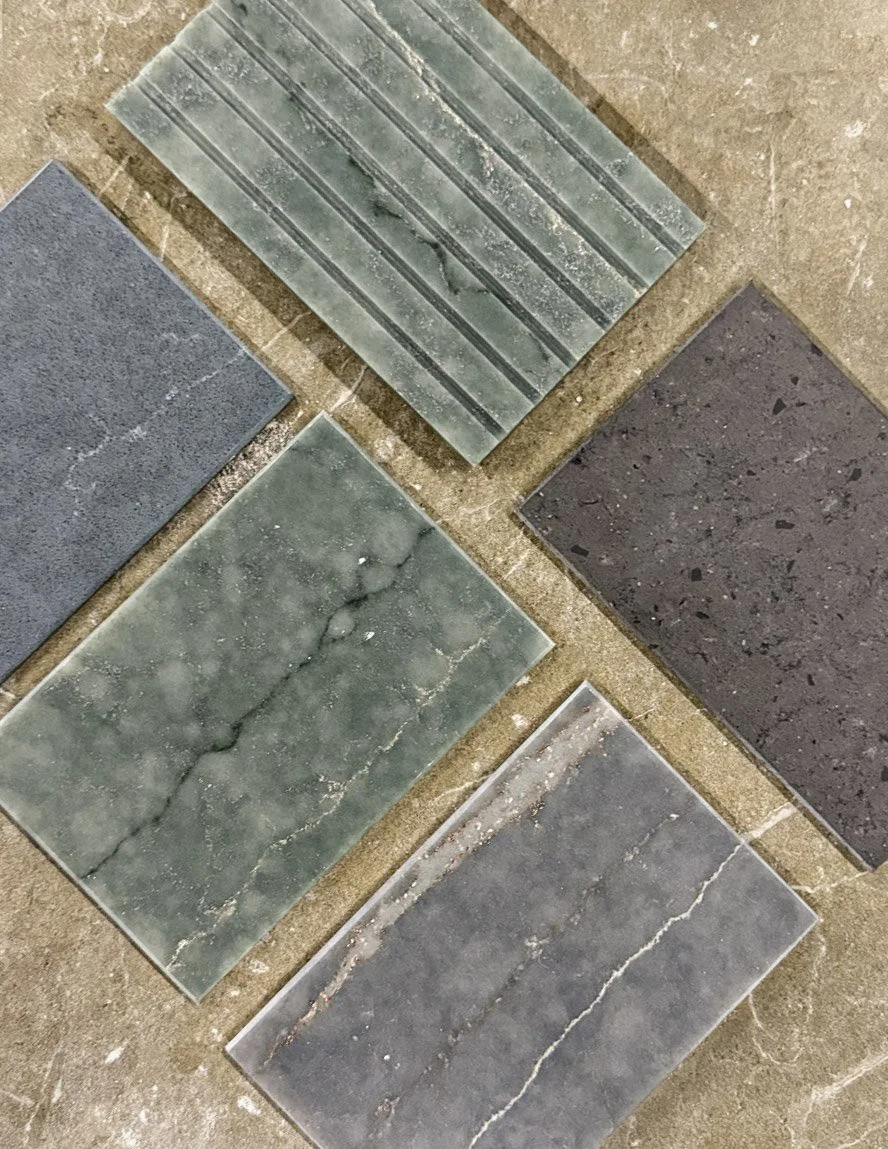
Natural stone, quartz, porcelain, and other surfaces all bring something different to a project. Taking the time to find the right fit upfront usually leads to a better final result.
TEMPLATE DAY IS WHAT REALLY MOVES THE PROJECT FORWARD
One of the biggest milestones in the process is templating.
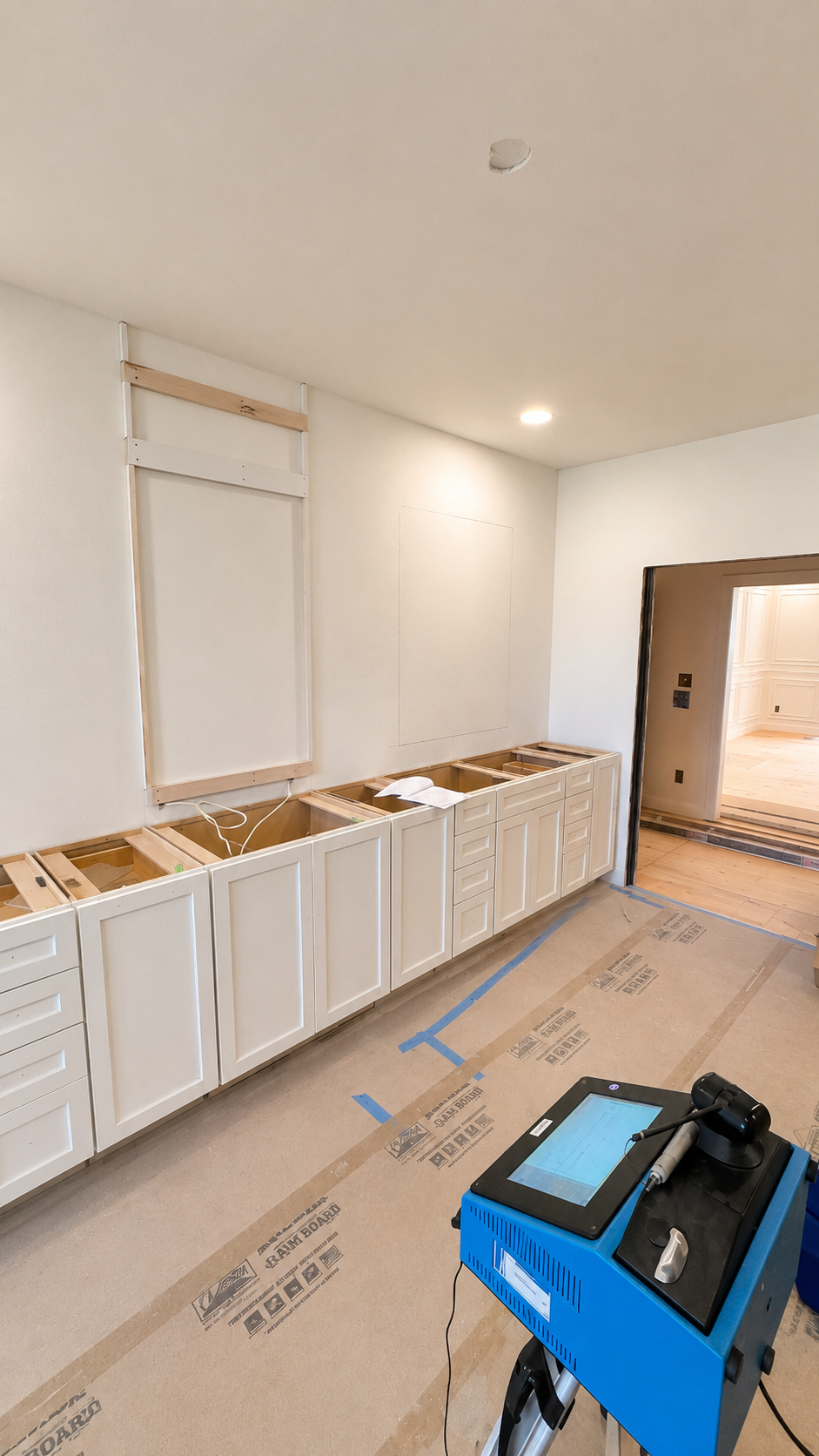
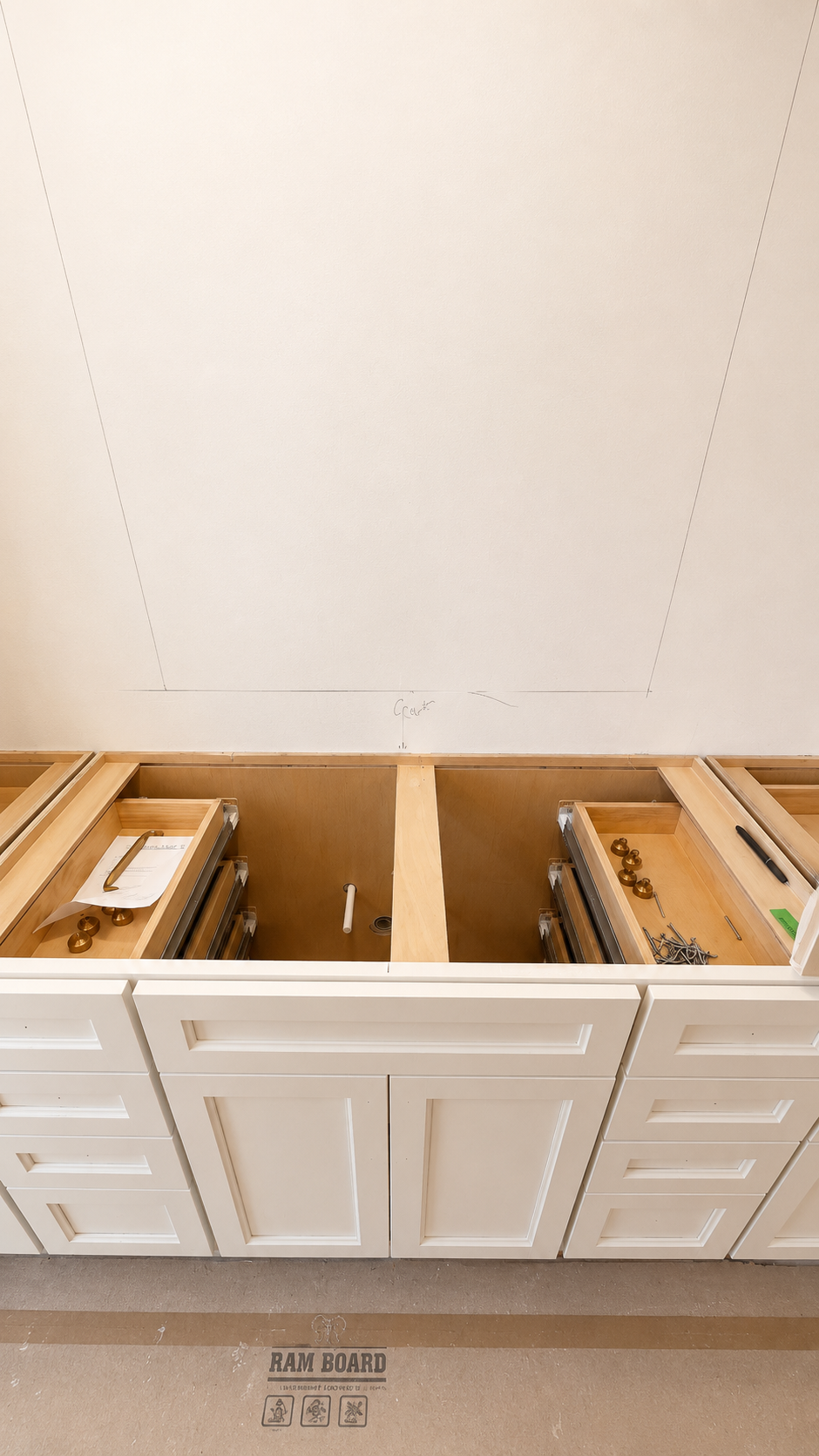
This happens after cabinetry is fully installed and level, because measurements need to be exact before fabrication can begin. At this stage, detailed digital measurements are taken to ensure everything fits properly.
What many homeowners do not realize is that all final details need to be on site before templating happens. That includes sinks, faucets, cooktops, drainboards, and any specialty fixtures or accessories that affect sizing or placement. Missing details at this stage can delay the process because measurements cannot be finalized until everything is confirmed.
A lot of people are surprised by how precise this part of the process is. Small details matter, especially around sinks, waterfall edges, cooktops, and full height backsplashes. Getting those details right early helps everything move much more smoothly afterward.
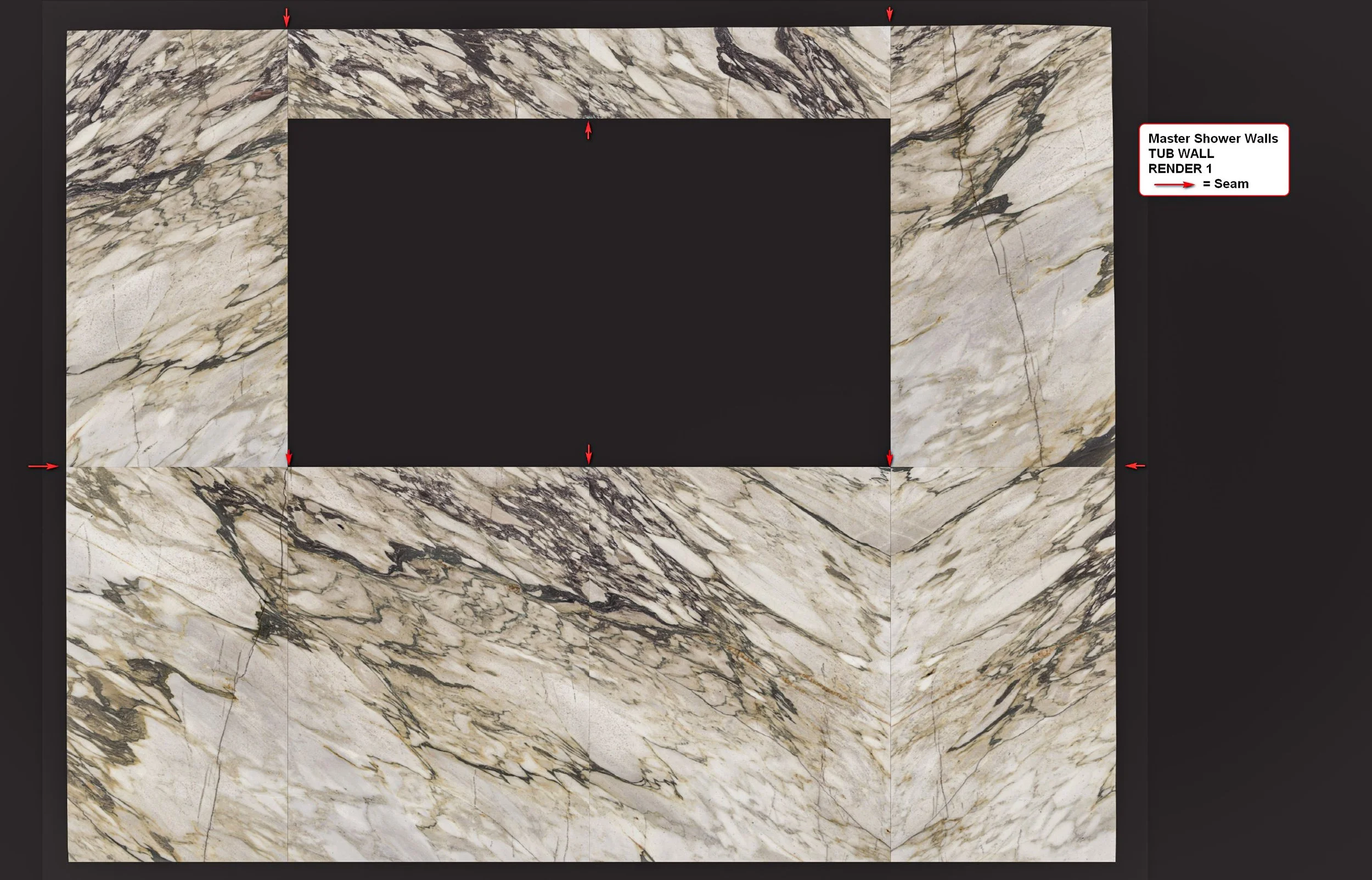
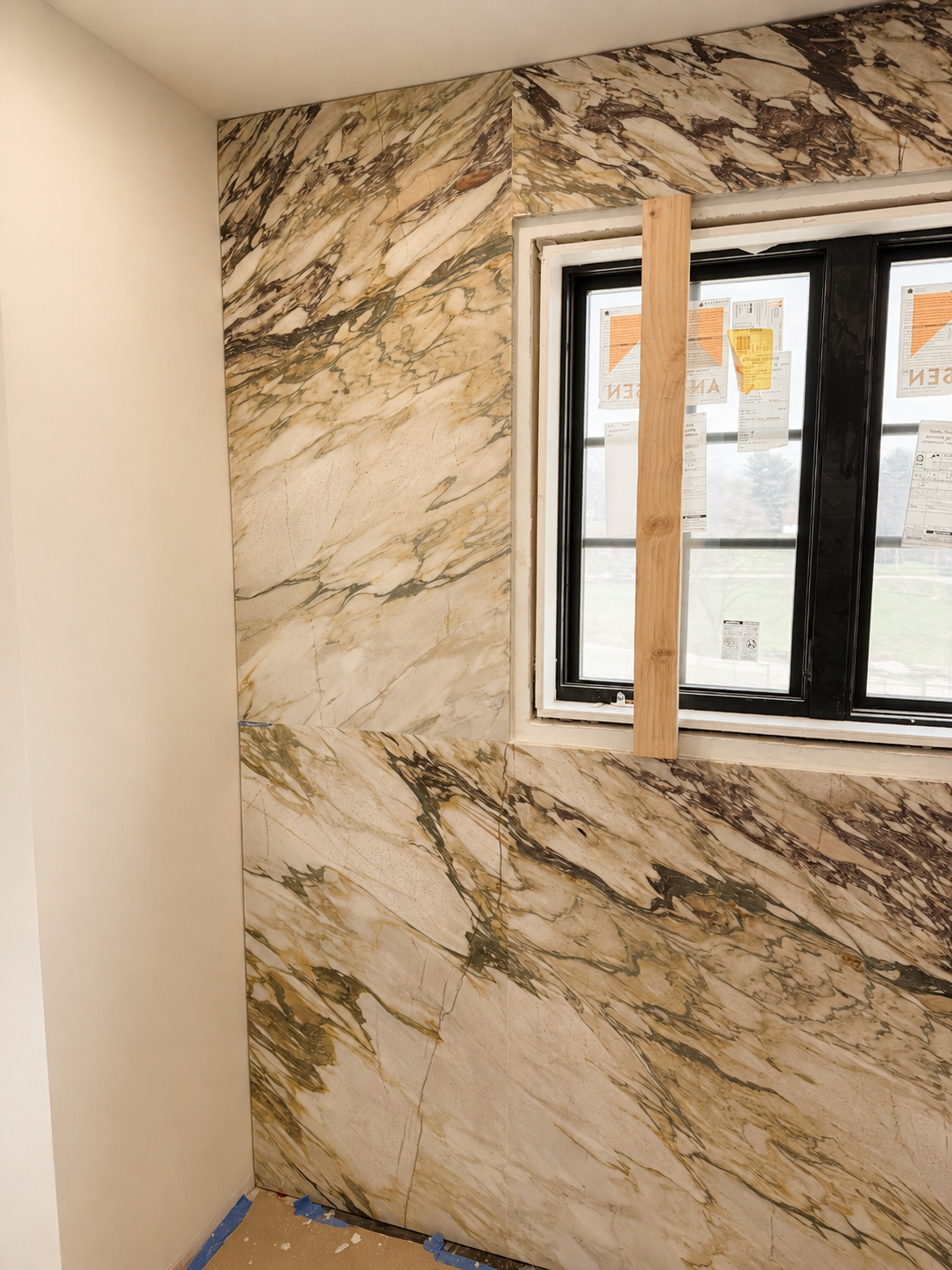
SOME PROJECTS REQUIRE ADDITIONAL LAYOUT AND RENDERING TIME
Not every slab is straightforward, especially materials with bold movement or dramatic veining.
For projects where vein flow and slab layout are especially important, additional rendering and programming time may be needed before fabrication begins. This allows the layout to be carefully planned so the finished installation feels intentional and cohesive.
This is especially common with shower cladding, bookmatched designs, full height backsplashes, and heavily veined materials where placement matters visually.
While it can add a little more time upfront, it makes a major difference in the final result. Proper planning helps ensure the beauty of the slab is fully showcased once installed.
FABRICATION TAKES MORE THAN PEOPLE REALIZE
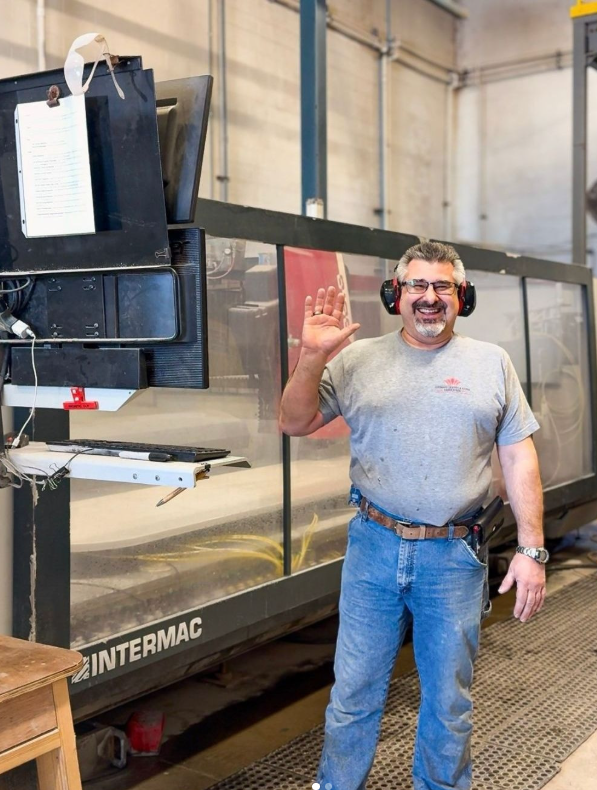
This is the part most homeowners never actually see, but it is where the craftsmanship happens.
After templating and layout approval, the slab is cut, fabricated, polished, and prepared for installation. Depending on the material and complexity of the project, this can involve detailed edge work, seam placement, cutouts, and finishing.
Every slab also behaves a little differently and requires careful handling to preserve both the integrity and beauty of the material.
This stage is a combination of technology, precision, and skilled craftsmanship working together behind the scenes.
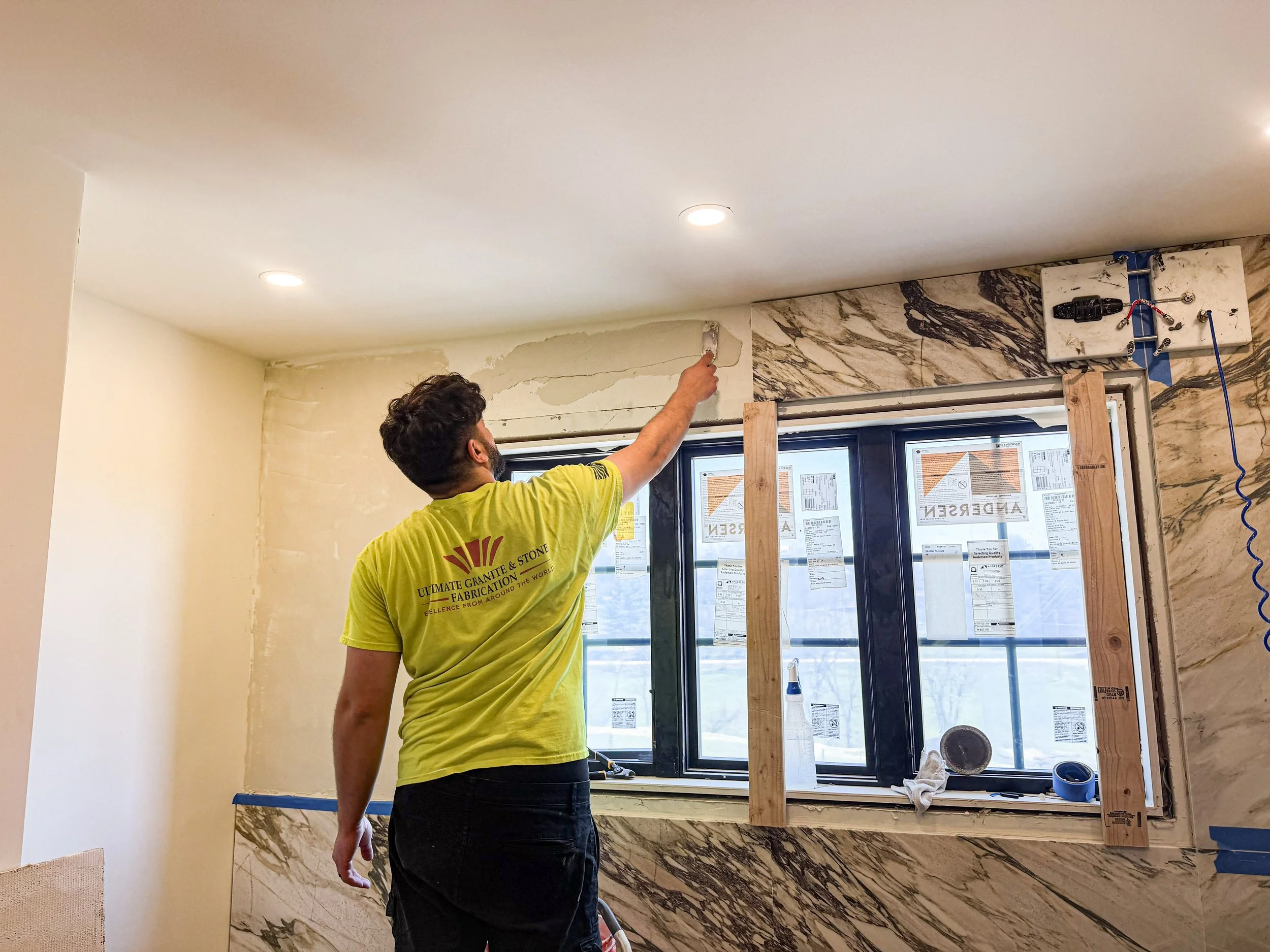
INSTALLATION DAY IS USUALLY THE FASTEST PART
A lot of people expect installation to be the longest step, but it is often the quickest.
Once fabrication is complete, most countertop installations are completed within a day depending on the size and scope of the project. Seeing the countertops finally go in is usually the moment the entire space starts to feel real.
It is also why preparation beforehand matters so much. Accurate measurements, thoughtful planning, and quality fabrication all lead to a smoother installation day.
WHAT CAN IMPACT THE TIMELINE?
There are a few factors that can affect how quickly a project moves.
Cabinet delays, missing fixtures, material availability, design changes, plumbing disconnects, or waiting on other trades can all shift the schedule slightly. More detailed projects may also require additional rendering, layout approval, or fabrication time depending on the material and design. One of the most common causes of delays is making changes after the template has already been approved, as those adjustments often require measurements, layouts, or fabrication plans to be revisited.
That is why communication and planning matter so much throughout the process. When everyone is aligned, projects tend to move far more efficiently.
The goal is never just speed. It is getting everything done correctly while making the experience feel as seamless as possible.

FINAL THOUGHTS
A stone project involves more moving pieces than most people realize, but understanding the process makes it feel much less overwhelming.
From material selection to templating, rendering, fabrication, and installation, every step plays a role in the final result. And while timelines can vary depending on the project, good planning and clear communication make all the difference.
In the end, the process is about more than countertops. It is about creating a finished space that feels thoughtful, functional, and built to last.
Have questions about what the process could look like for your project?